CAIMAN Interceptor
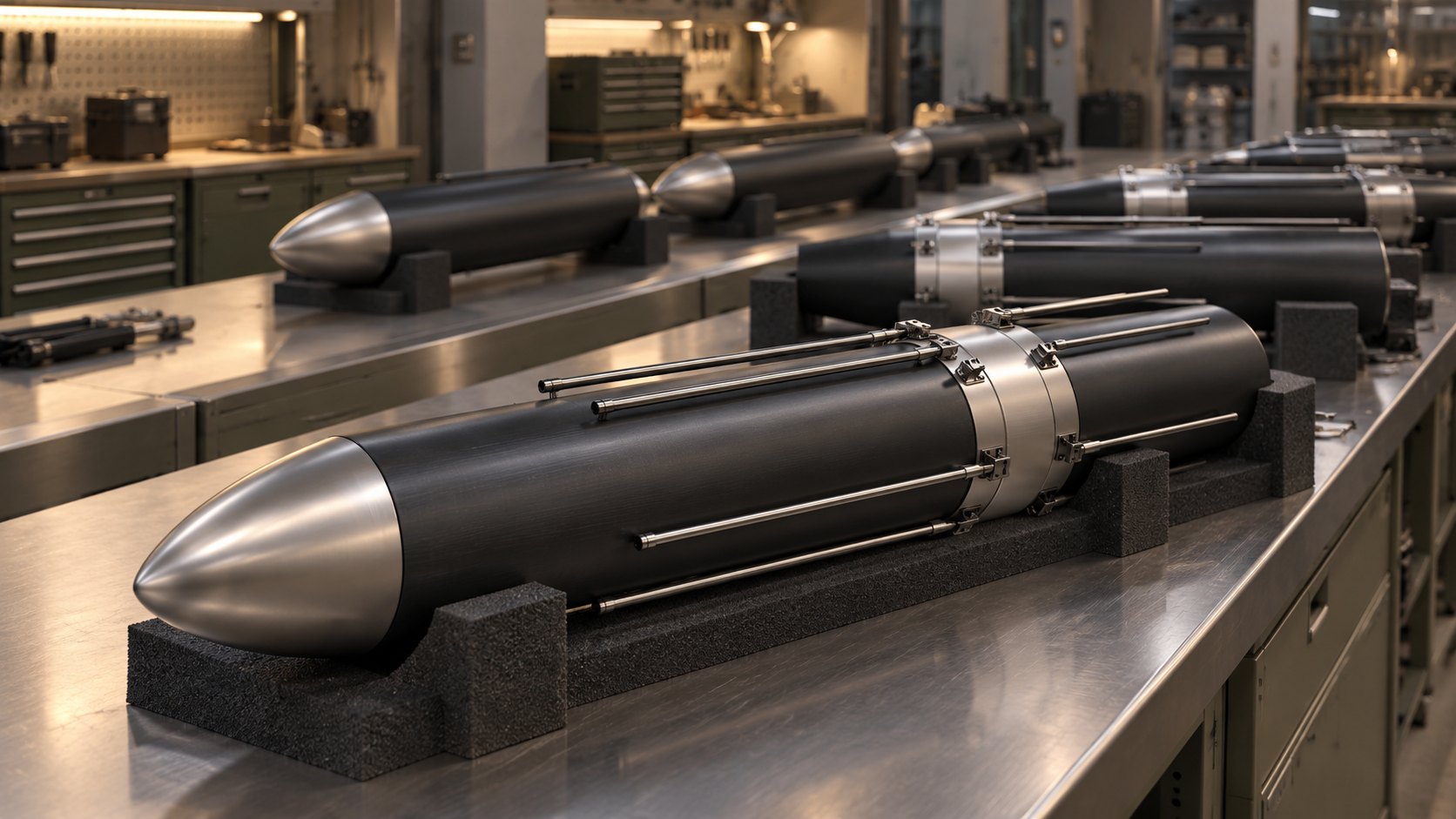
Engagement Sequence
From detection to physical contact
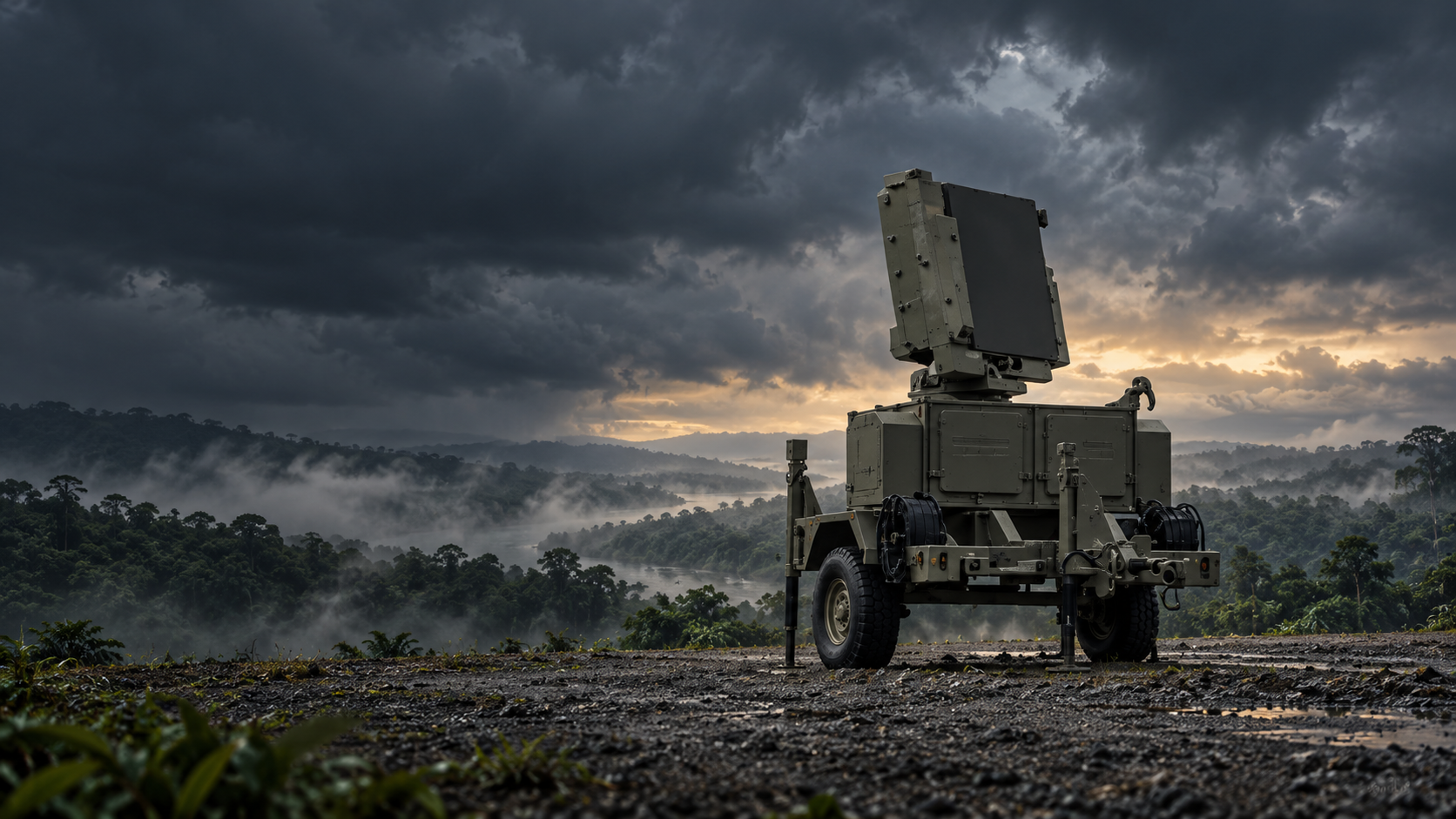
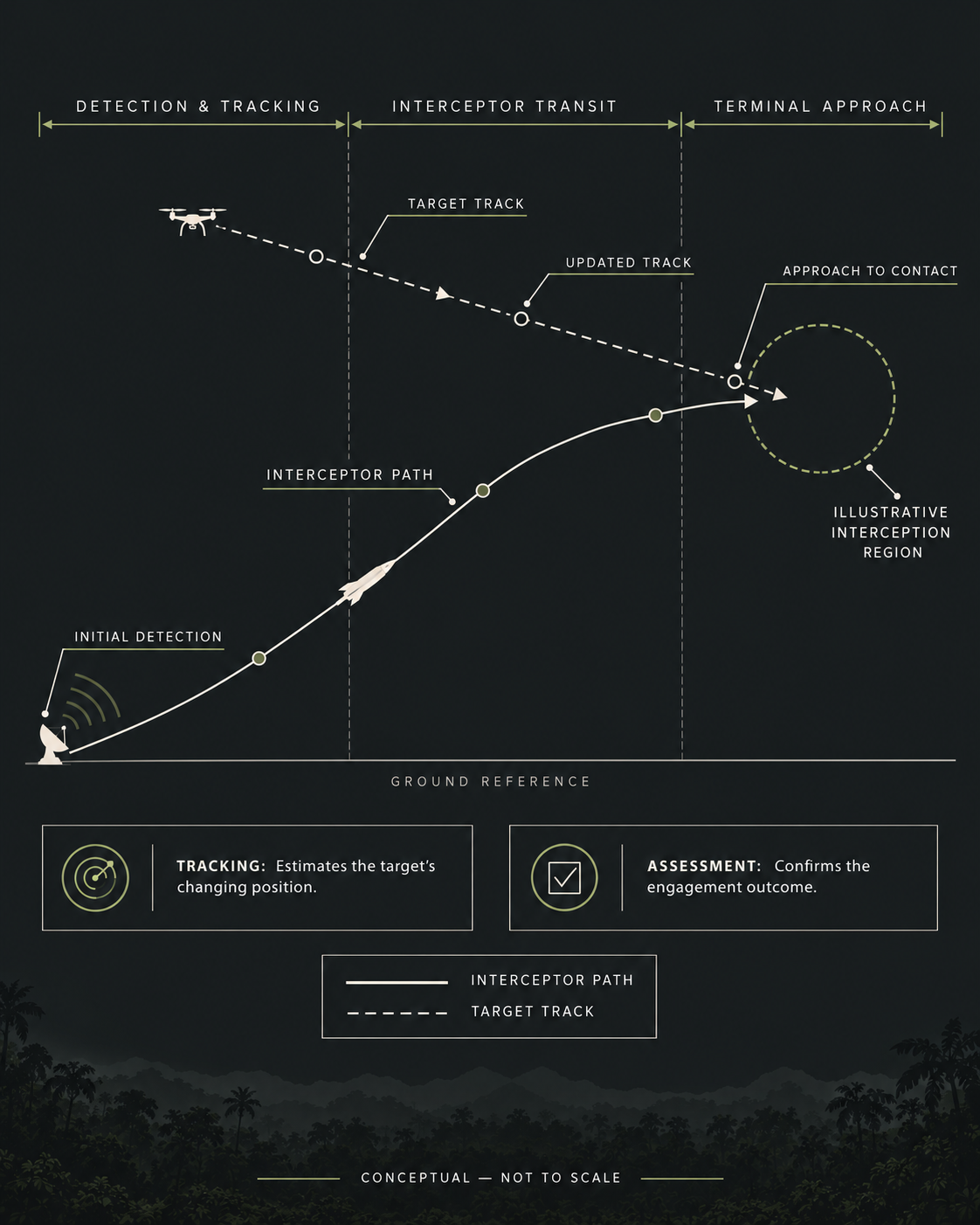
External sensors identify and track the aerial threat. A delivery vehicle carries Caiman toward the Predicted Interception Point (PIP). Rotation of the device drives the extension of the cable structure to create an expanded contact envelope.
Design Priorities

-
A compact transit configuration and a deployed engagement structure are central to the concept. The objective is to extend physical reach without making the entire flight vehicle equally large.
-
Interception depends on sensing, tracking, command and delivery functions. Caiman is being considered in that context, with compatibility and interface requirements forming part of the design work.
-
Material choices, component complexity and assembly requirements are being considered with the aim of supporting economical production and replenishment.
Areas of Investigation
-
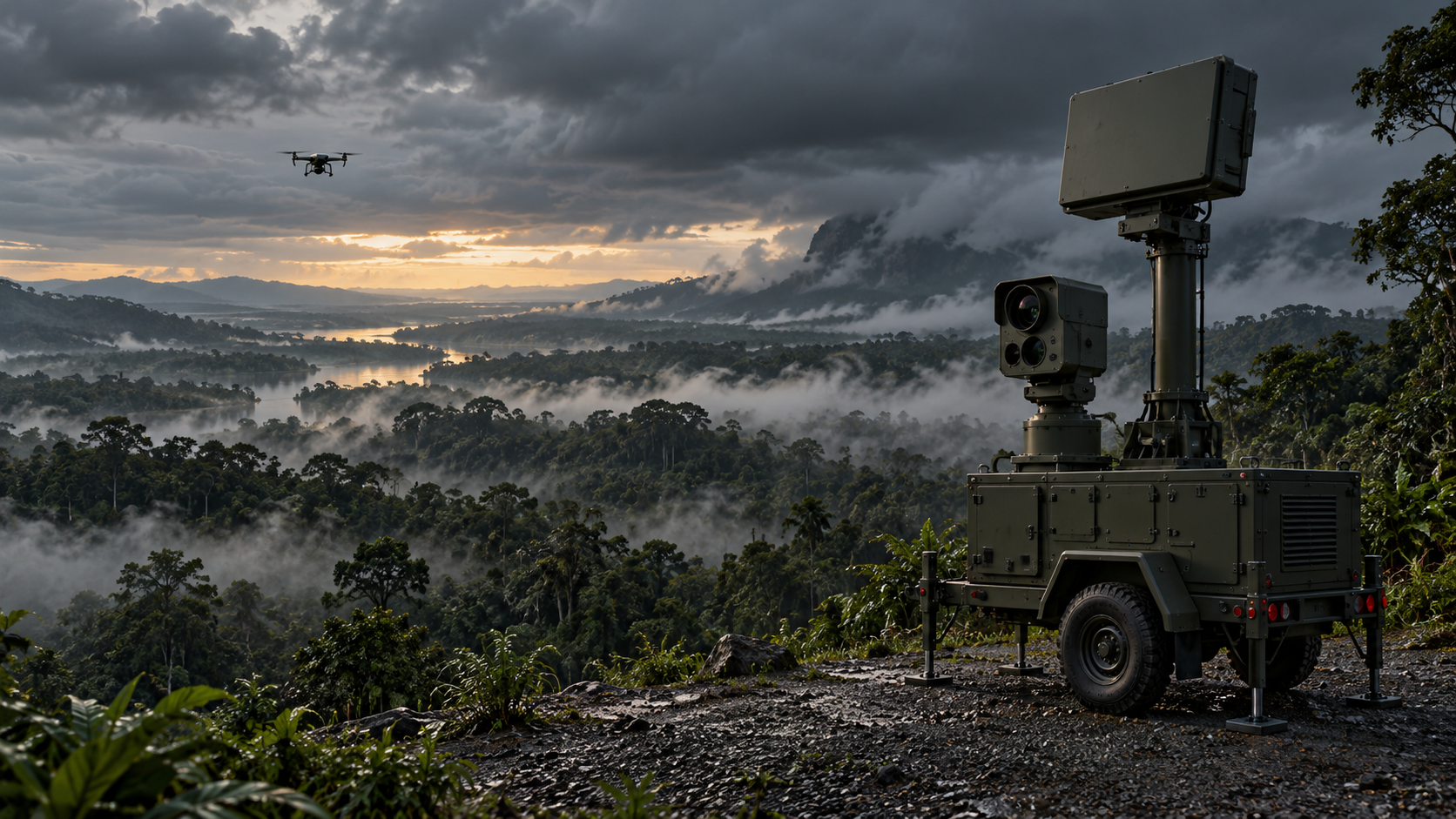
The concept is being explored for a potential role in defense against uncrewed aerial systems, where both engagement performance and the cost of sustaining defensive capacity matter.
-
The research also considers the broader relevance of an expanded physical engagement area. Different threat classes would require separate evaluation of suitability and performance.
Development Status
Caiman remains under development. Kapok is advancing the concept through analysis, modelling and design refinement.
Performance, deployment behaviour and integration assumptions require further validation through simulation, prototyping and testing.
Deployment dynamics and contact mechanics
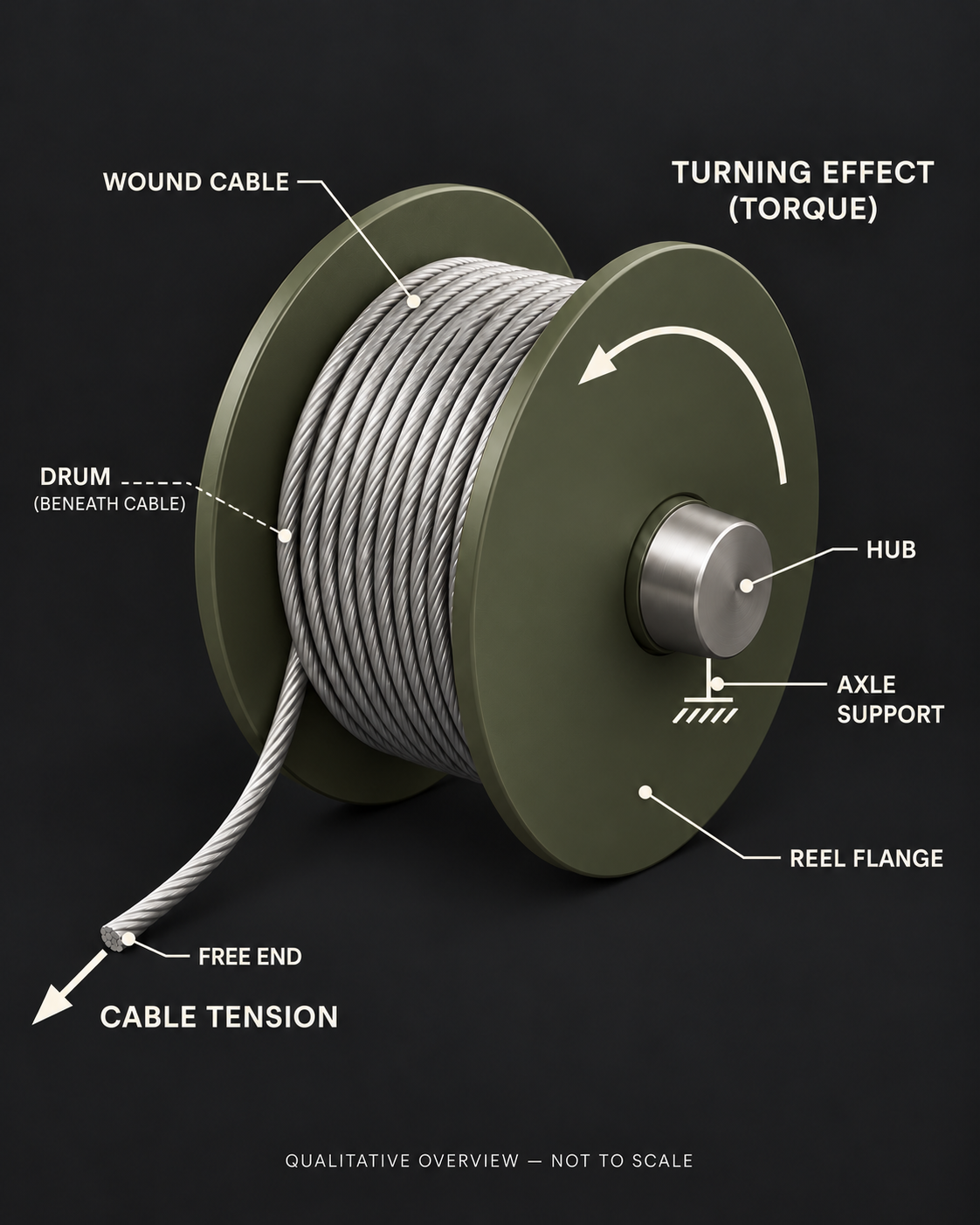
Our research examines deployment behaviour, structural loads and contact response. Analysis and planned testing will inform the concept’s development and help establish its practical limits.
Guidance, delivery and system integration
Caiman is being developed with the wider defense network in mind. We are exploring how the concept could work with external sensing, tracking and delivery systems.

Production and replenishment pathways
Material availability, part complexity and assembly requirements shape our approach from the outset, with the aim of supporting practical manufacture, affordable production and replenishment at scale.
“An explosion no one heard and a collision no one saw changed the world”
-- Description of the first-ever successful, kinetic intercept of a ballistic missile executed by the U.S. Army’s Homing Overlay Experiment (HOE)